

|
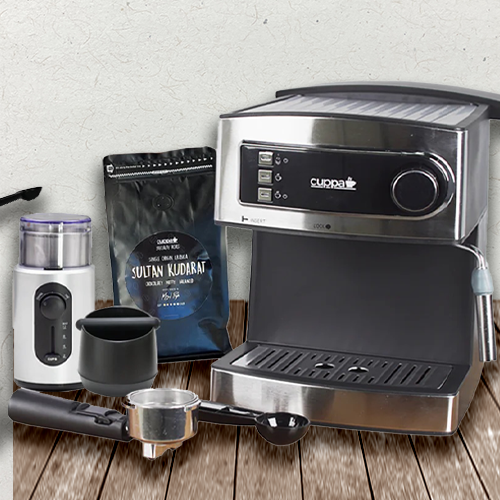
You've got an espresso machine ready on your counter. You've watched a few tutorials, arranged your cups, even saved those latte art videos for later, and now you're ready to pull your very first shot. There's just one question: which coffee beans should you buy? With so many origins, roast levels, and tasting notes to choose from, finding the right beans can feel more complicated than it needs to be. We're here to give you a simple place to start. Understand roast levelsLight roasts often highlight brighter, fruitier, or floral flavors. They can be rewarding to explore, although they may require more careful dialing-in when used for espresso. Medium roasts offer a versatile middle ground, with flavors that can range from chocolate and caramel, to nuts and fruit. Dark roasts tend to have deeper roasted, smoky, or bittersweet flavors. They’re for people who prefer a bold cup, especially in milk-based drinks. But these are just general tendencies, not strict rules. The coffee's origin, processing, and roasting profile all influence its final flavor. Read the tasting notesDescriptions such as chocolate, citrus, caramel, and berries aren't ingredients added to your coffee. They're terms used to describe flavors and aromas that people may perceive when tasting it. If you enjoy chocolatey drinks, try beans described as having cocoa, nuts, or caramel notes. If you prefer a brighter cup, look for coffees with citrus or fruit-forward descriptions. It's also always better to buy freshly-roasted beans. Coffee bags and roasters with specific roast dates are usually a clear sign that you're getting quality coffee beans. Don't forget to ask the barista their recommended days of resting and degassing so you can fully enjoy the plethora of flavors the beans have to offer. Store beans in an airtight container away from heat and sunlight, and avoid buying more than you can reasonably use while the beans are at their best. Experiment one variable at a timeOur tip is to first start with a medium roast. Medium roasts are middle ground and they’re very forgiving. Keep your recipe consistent, and adjust your grind and extraction as needed. Once you understand how a particular coffee behaves, trying a different roast becomes much easier. Your perfect espresso bean is the one that tastes good to you, not the one with the fanciest packaging (although we’re suckers for pretty packaging, too!). Keep exploring: Visit Cuppa Espresso to discover coffee equipment, brewing accessories, and try our Sultan Kudarat beans for your next home-barista experiment! |